Financial and insurance advice
Advice documented while you give it, each recommendation linked to the moment it was made.
The problem
Advisers often have to document their advice, for example under MiFID II or the IDD: the client's needs, the recommendation and the reasons for it. Writing this up after the meeting takes time, and the record rarely captures exactly what was said.
How it works
- At the start, tell the client what is recorded and why, and save their consent with the consent card.
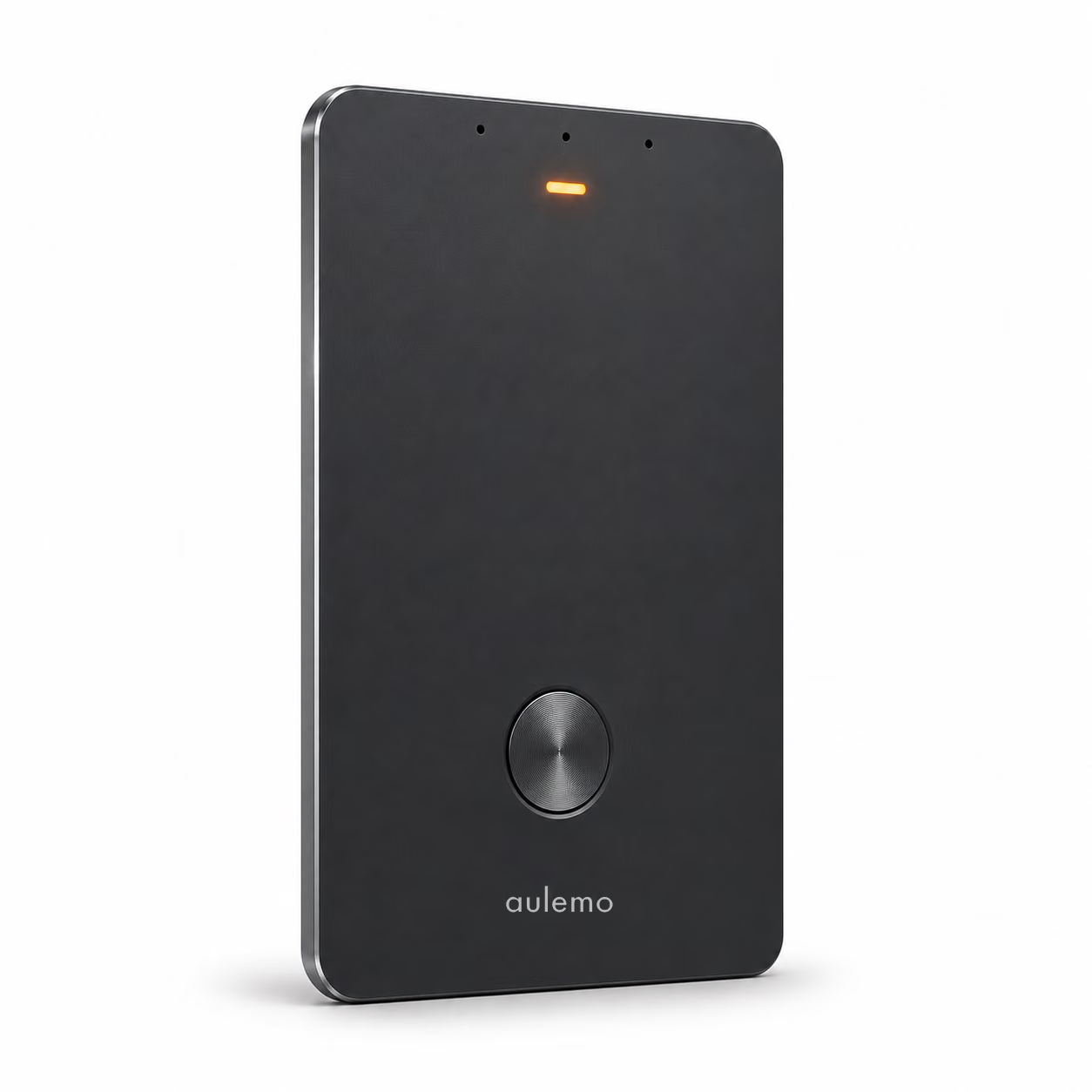
- Press once and lay the recorder on the table, or use call mode for advice by phone where that is legal and agreed.
- The app drafts a summary of needs, recommendations and reasons, each with its time stamp. The planned Confidential package adds end-to-end encryption and an access log.
- Check the draft against the transcript and use it for your advice record.
An example
Nadia advises Oliver and Ruth, a couple planning for retirement. Both agree to the recording at the start. In the summary, Nadia's recommendation and the couple's wish to keep part of their savings available at short notice each link to the moment they were said. Nadia uses the draft for her advice record and sends the couple a copy.
What you get
- The advice record drafted during the meeting
- Each recommendation with its moment
- The client's consent on record
Consent and privacy
Whether a recording or summary meets your documentation duties is for you and your compliance function to check; some rules, such as those on recording phone orders, have their own requirements. Clients must know they are being recorded. This is general information, not legal advice.
Recommended plan
Confidential. Sealed. For practices and law firms. Coming later. Plans